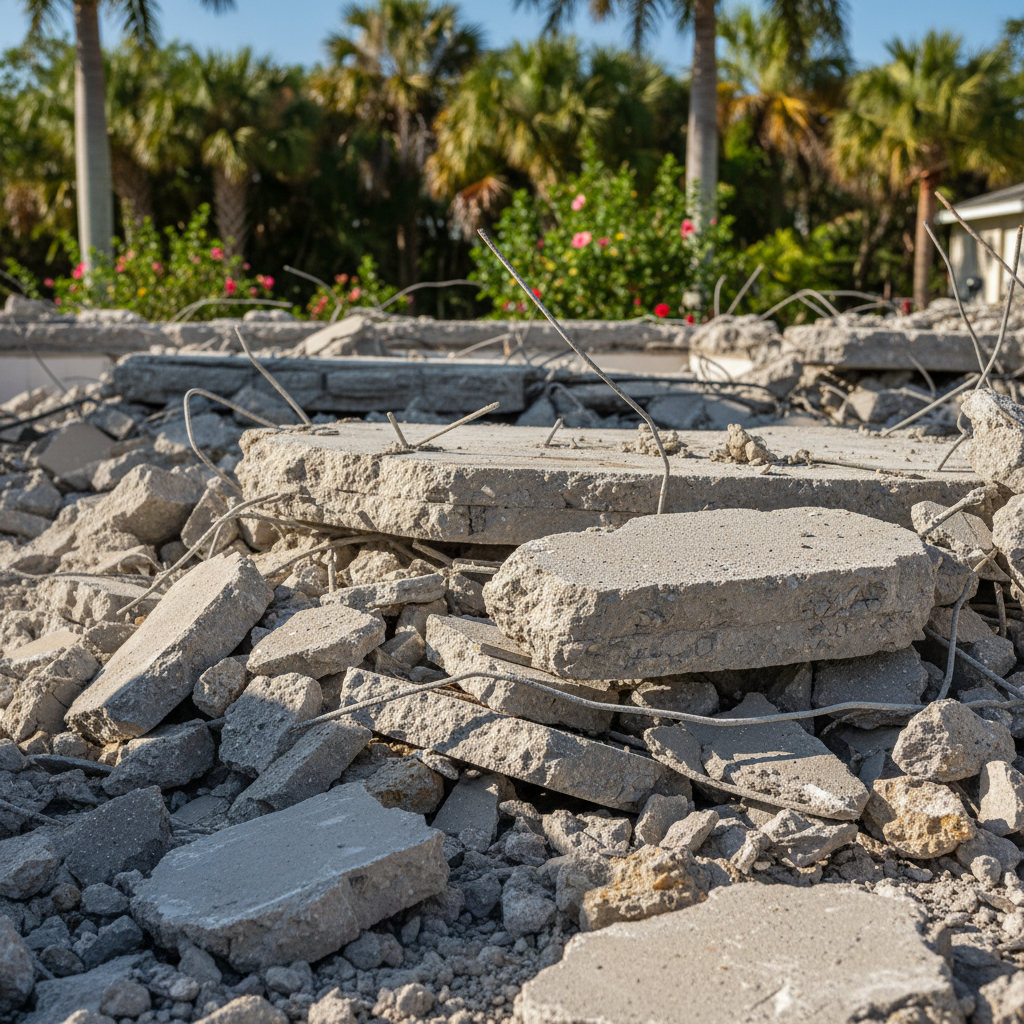
Thinking About Taking Down a Wall? Read This First.
So, you're eyeing that old, cramped kitchen or maybe that odd addition on the back of your Port Richey house and thinking, "This has got to go." I totally get it. The idea of opening up a space or completely reshaping a part of your home is exciting, right? But when it comes to structural demolition, you can't just grab a sledgehammer and go to town. There's a lot more to it than that. Knowing what you're actually getting into can save you a ton of headaches, not to mention a lot of money.
I've seen folks try to DIY structural stuff and end up with a sagging roof or a foundation problem that costs way more to fix than hiring a pro in the first place. This isn't like tearing out old cabinets, you know? We're talking about the very bones of your house here.
Before You Even Think About Swinging a Hammer
First things first, you need to know what you're dealing with. Is that wall load-bearing? Or is it just a partition? This is the absolute biggest question. A load-bearing wall supports the weight of the structure above it — floors, roof, everything. Take one of those out without proper support, and you're asking for trouble, plain and simple.
- Get Plans & Permits: You'll need blueprints or drawings of your home. If you don't have them, an architect or structural engineer can help assess things. For any structural change, you're going to need a permit from Pasco County. Seriously, don't skip this. They'll want to see engineered plans showing how you're going to support everything once that wall is gone. Trying to do this without a permit is a huge risk; you could face fines, stop-work orders, and even have to rebuild what you took down.
- Identify Utilities: Before any demolition, you absolutely must know where all your electrical, plumbing, and HVAC lines are. You definitely don't want to hit a live wire or burst a pipe. Shut off power to the area, turn off the water, and if there's gas, get a professional to cap it.
- Asbestos & Lead Paint: If your home was built before 1980, there's a good chance you might have asbestos or lead paint. These aren't things you want to mess with yourself. Get them tested. If they're present, you'll need certified professionals for abatement before any demolition can happen. This is a health and safety issue, not just a nuisance.
For most homeowners, getting an engineer to assess the structure and draw up plans is step one. They'll tell you exactly what's load-bearing and what's not, and how to properly support things if you're removing something critical. This isn't a DIY step; it's a professional one.
During the Demolition: When to DIY, When to Call All Star Demolition
Okay, so you've got your permits, your plans, and you know what you're dealing with. Now for the actual demo. What can you realistically do yourself?
- Non-Load-Bearing Walls: If it's truly just a partition wall — no electrical, no plumbing, no structural load — you can probably tackle this yourself. Wear proper safety gear: gloves, eye protection, a good dust mask, and sturdy boots. Have a plan for debris removal. You'll be surprised how much drywall and wood adds up.
- Interior Finishes: Tearing out old cabinets, ripping up carpet, removing tile — these are generally safe for a handy homeowner. Again, safety first, and be mindful of what's behind those surfaces (wires, pipes).
- Structural Elements: This is where you call in the pros. If you're removing a load-bearing wall, installing a beam, or doing anything that affects the structural integrity of your home, you need experienced professionals. We've got the right tools, the know-how for temporary supports, and the experience to do it safely and efficiently. Trying to save a buck here can cost you ten times more in repairs down the line, or worse, put your family at risk. The soil conditions around Port Richey, with our sandy, often wet ground, can make foundation stability even more critical, so you really can't mess around with structural changes without proper engineering.
At All Star Demolition, we handle the heavy lifting and the tricky stuff. We know how to safely remove structural elements, install temporary supports, and get the job done right, minimizing risk to your property and your wallet.
After the Dust Settles: What Comes Next
Once the demolition is done, the real work of rebuilding begins. But even after the demo crew leaves, there are a few things to keep in mind.
- Debris Removal: If you did some of the demo yourself, you'll have a pile of debris. Don't just leave it sitting there. Rent a dumpster or arrange for a junk removal service. You don't want construction waste sitting around your yard, especially with our Florida weather; it can attract pests or become a hazard.
- Inspections: If you pulled a permit, you'll have inspections. Make sure everything is ready for the inspector before they arrive. This usually means temporary supports are in place, and the area is clear and safe.
- Planning for Reconstruction: Demolition is just the first step. Have your plans ready for what comes next — framing, electrical, plumbing, drywall, finishes. A smooth transition from demo to construction saves time and money.
Structural demolition isn't a weekend warrior project for most homeowners. While you can certainly tackle some of the lighter demo, knowing your limits and when to bring in a professional team is crucial. It's about protecting your biggest investment and ensuring your home is safe and sound for years to come.