Do I really need a permit for structural demolition?
Absolutely, 100% yes. Look, I get it, permits can feel like a real pain, just another hurdle to clear. But when you're talking about tearing down a structure, whether it's an entire house or just a load-bearing wall, you need that permit. It's not just about following the law — though that's a huge part of it, and Pasco County isn't shy about handing out fines. It's about safety. The permitting process makes sure professionals have looked over your demolition plan, that utilities get disconnected correctly, and that the work meets code. Trying to skip this step? That's a recipe for disaster, not to mention a quick way to get your project stopped cold and hit with penalties that'll make the permit fee look like pocket change. We handle all that paperwork for you, by the way, so you don't have to stress.
What's the difference between structural demolition and interior demolition?
This is a common question, and it's actually pretty simple. Interior demolition usually means taking out non-load-bearing walls, cabinets, flooring, fixtures — basically, anything inside that isn't holding the roof up. It's often part of a renovation. Structural demolition, on the other hand, involves removing parts that are critical to the building's stability. Think load-bearing walls, foundations, entire roofs, or the whole building itself. If you take out a load-bearing wall without proper support, well, your roof could come down. That's the key difference: one affects the building's integrity, the other doesn't. Structural work needs a much more detailed plan, often different equipment, and definitely more specialized expertise.
How long does a typical structural demolition project take?
There's no single answer here, but I can give you a general idea. A full house demolition for an average-sized home in Port Richey — say, a 1,500 to 2,000 square foot ranch-style house — usually takes us anywhere from a few days to a week for the actual tear-down and site clearing. That's just the physical demolition, mind you. Before that, you've got the permit process, which can sometimes take a few weeks depending on how busy the county is. Then there are utility disconnections — power, water, sewer, gas — which the utility companies need to handle, and that can add another week or two. So, from the moment you decide to go, until the site is completely clear and ready for new construction, you're generally looking at a timeframe of 4 to 8 weeks. It really depends on the structure's size, what it's made of (concrete block takes longer than wood frame), and how quickly the utilities and county move.
What about asbestos or other hazardous materials? How do you handle those?
This is super important, especially with older homes in areas like Beacon Woods or some of the older waterfront properties here. Many homes built before the 1980s might contain asbestos in things like roofing, siding, floor tiles, or pipe insulation. Lead paint is another common one. Before any structural demolition begins, we always recommend, and often require, a hazardous material survey. If asbestos or other nasties are found, certified professionals have to remove them following strict rules. It's not something you can just smash and haul away. This adds a separate step to the project, and it's a specialized service that we don't do in-house, but we can connect you with trusted, licensed abatement companies. It's non-negotiable for safety and legal compliance.
Will demolition affect my neighbors or their property?
We do everything we can to lessen the impact, but let's be real, demolition is a noisy, dusty business. We're talking heavy machinery, falling debris, and trucks coming and going. We always put up proper fencing and signage to secure the site. Dust control is a big one — we use water to keep it down as much as possible, especially on windy days. As for property lines, we're very careful. We make sure our equipment stays on your property, and we're super cautious about foundations and shared walls. If your house is really close to a neighbor's, or if there's a shared driveway, we'll talk through those specifics with you and make a plan to protect their property. Communication is key here; we encourage you to give your neighbors a heads-up about the project timeline.
What happens to all the debris once the building is down?
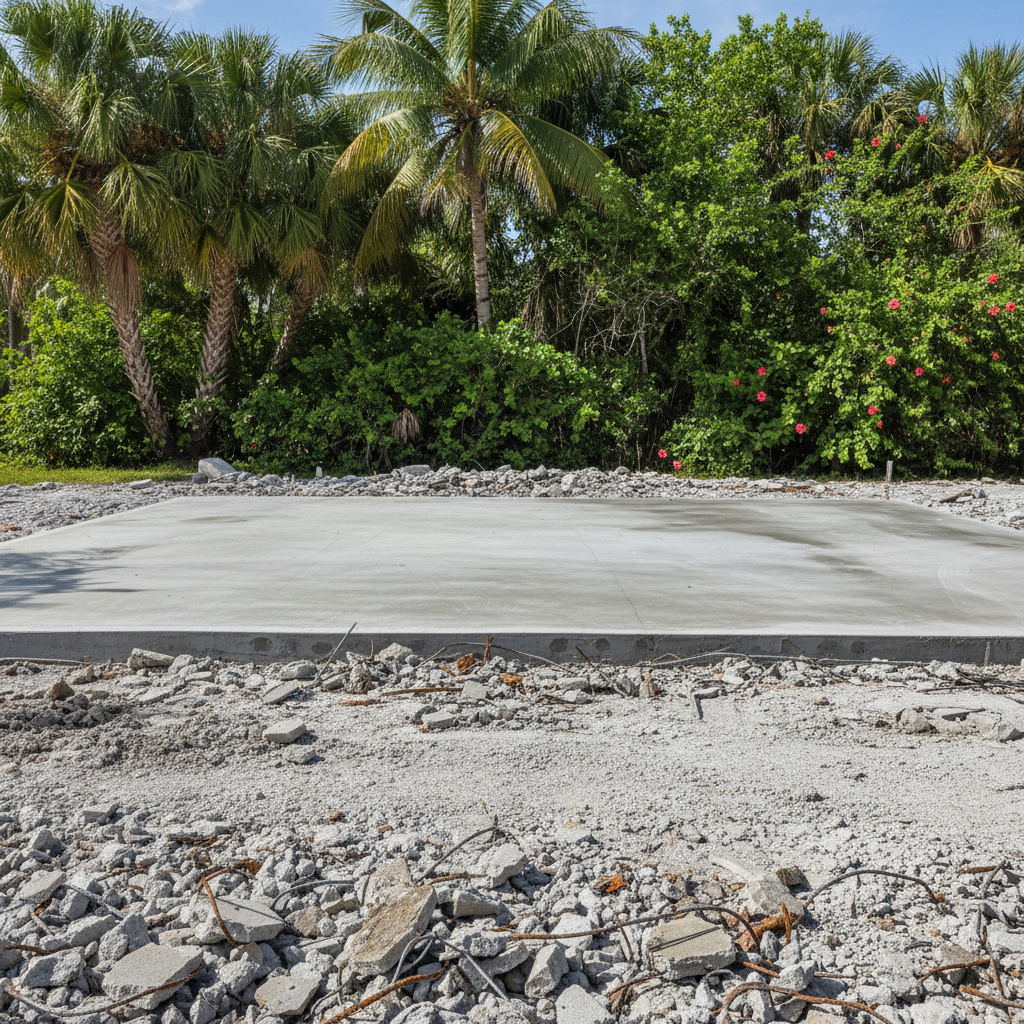
Once the structure is down, we don't just leave a pile of rubble. Debris removal is a huge part of the job. We sort materials on-site as much as possible. Concrete and asphalt can often be crushed and recycled. Metals like steel and copper are separated out and sent to recycling facilities. Wood and other construction and demolition (C&D) waste goes to specific landfills or processing centers. We're always looking for ways to divert materials from landfills when it makes sense. Our goal at All Star Demolition is to leave you with a clean, level site, ready for whatever you've got planned next, whether that's new construction or just a clear lot.