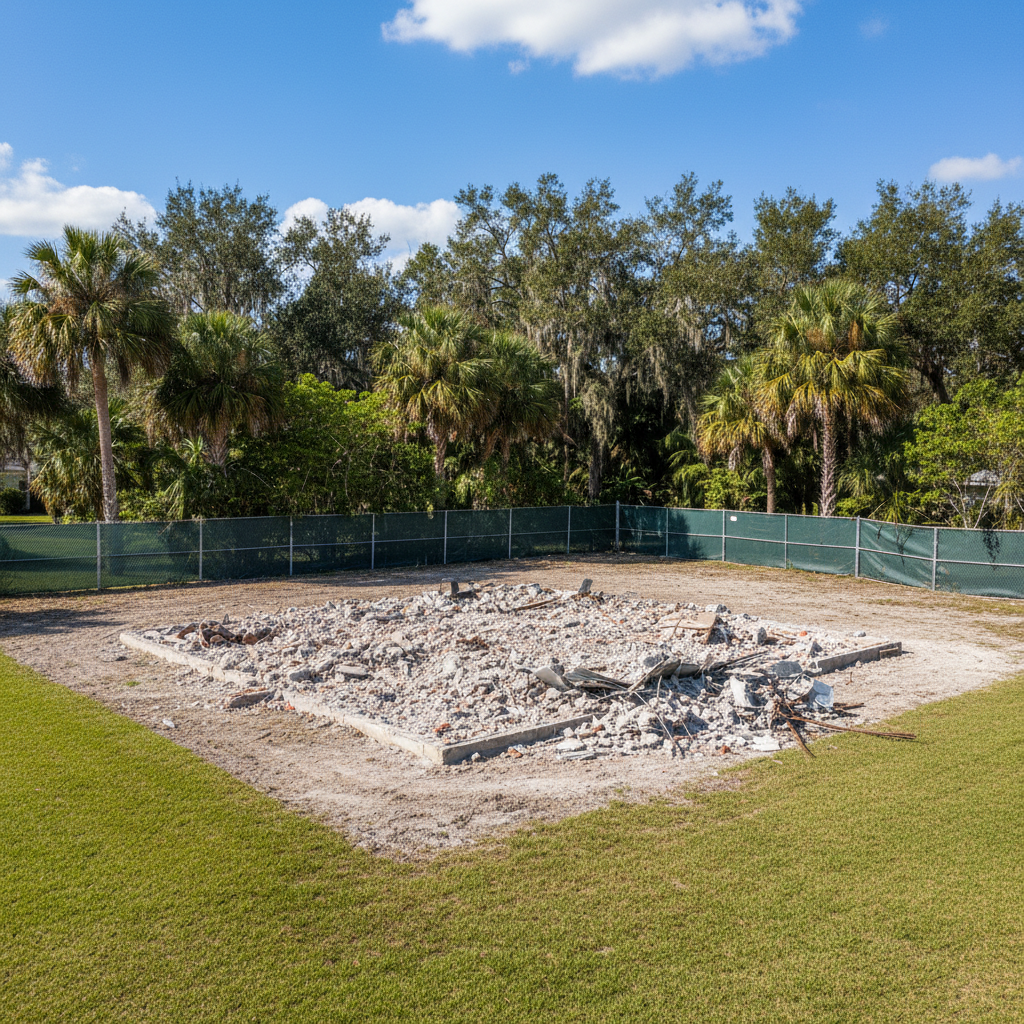
So, you've decided it's time to take down that old shed, clear out a crumbling addition, or maybe even level an entire house to make way for something new. That's a big step, and it's exciting, but it also comes with a lot of questions. As someone who's been doing this kind of work in Port Richey for years, I've seen it all, and I know what homeowners need to know to make sure their demolition project goes smoothly. This isn't just about knocking things down; it's about smart planning.
Setting Your Project Timeline: What to Expect
You might think demolition is a quick smash-and-grab job, but that's rarely the case. There's a process, and rushing it can lead to headaches and extra costs. Here's a realistic breakdown:
- Initial Consult & Quote (1-2 weeks): First, you'll reach out to a few demolition contractors, like us at All Star Demolition. We'll come out, look at the site, discuss what you want done, and give you an estimate. This isn't just about the cost; it's about understanding the scope.
- Permitting (2-6 weeks, sometimes more): This is often the longest part. You can't just start tearing things down. The City of Port Richey, or Pasco County depending on your exact location, requires permits. This involves submitting plans, sometimes getting approval from utility companies to disconnect services, and ensuring everything meets local codes. If your property is in an older part of town, like near the river, there might be extra considerations for environmental impact or historical review, though that's less common for residential tear-downs.
- Utility Disconnection (1-3 weeks): Before any heavy machinery moves in, all utilities – electric, gas, water, sewer, and communication lines – must be safely disconnected and capped off. This isn't something you can do yourself; the utility companies have to handle it.
- Actual Demolition (1 day - 2 weeks): Once permits are in hand and utilities are off, the physical demolition can begin. A small shed might be a single day's work. A full house, especially if it's a larger structure or requires careful separation from an adjacent building, could take a week or two.
- Site Cleanup & Grading (1-3 days): After the structure is down, all the debris needs to be hauled away. Then, the site is typically graded to a rough level, leaving it ready for whatever comes next.
So, from your first call to a clear lot, you're usually looking at a timeline of 6 to 12 weeks, minimum. Don't let anyone tell you it's a weekend job for anything substantial.
Preparing Your Property for Demolition Day
Once everything is approved and scheduled, there are a few things you need to do to get your property ready:
- Clear Out Personal Belongings: This seems obvious, but people forget things. Make sure every single personal item, piece of furniture, appliance, and scrap of sentimental value is removed from the structure being demolished. We're not responsible for things left behind.
- Secure the Area: If you have kids or pets, make sure they can't access the demolition zone. It's a construction site, and safety is paramount.
- Notify Neighbors: A little courtesy goes a long way. Let your neighbors know when the work is scheduled. There will be noise, dust, and heavy equipment, and a heads-up can prevent complaints and build goodwill.
- Remove Landscaping (Optional but Recommended): If you have valuable plants, trees, or decorative elements close to the structure that you want to keep, remove them or protect them well in advance. Demolition isn't a delicate process.
- Access for Equipment: Ensure there's a clear path for trucks and excavators. Move vehicles, boats, or anything else that might obstruct access.
What Questions to Ask Before You Sign
Choosing the right contractor is crucial. Don't just go with the cheapest bid. Ask these questions:
- Are you licensed and insured for demolition in Florida? You need to see proof. This protects you if something goes wrong.
- Who handles the permits? A reputable contractor will handle the permit application process for you, though you'll typically pay the permit fees directly.
- What's included in the quote? Does it cover utility disconnections, debris removal, and final site grading? Make sure there are no hidden fees.
- How do you handle hazardous materials like asbestos or lead paint? Older homes, especially those built before the 1980s, often have these. Proper removal requires specialized handling and certification. We'll always assess for these things and factor them into the plan.
- What's your plan for dust and noise control? Especially in residential areas, minimizing disruption is important.
- Can you provide references from other residential demolition projects? Talk to other homeowners they've worked for.
- What's the estimated timeline, and what factors could cause delays? Get a clear understanding of the schedule and potential hiccups.
- How will you protect adjacent structures or landscaping? If you're only demolishing part of a property, or if there are close neighbors, this is vital. We've worked on plenty of properties in areas like Gulf Harbors where homes are close together, so we know how to manage tight spaces.
Asking these questions will give you a clear picture of what to expect and help you pick a contractor you can trust. A good demolition job sets the stage for your next big project, so do your homework up front.