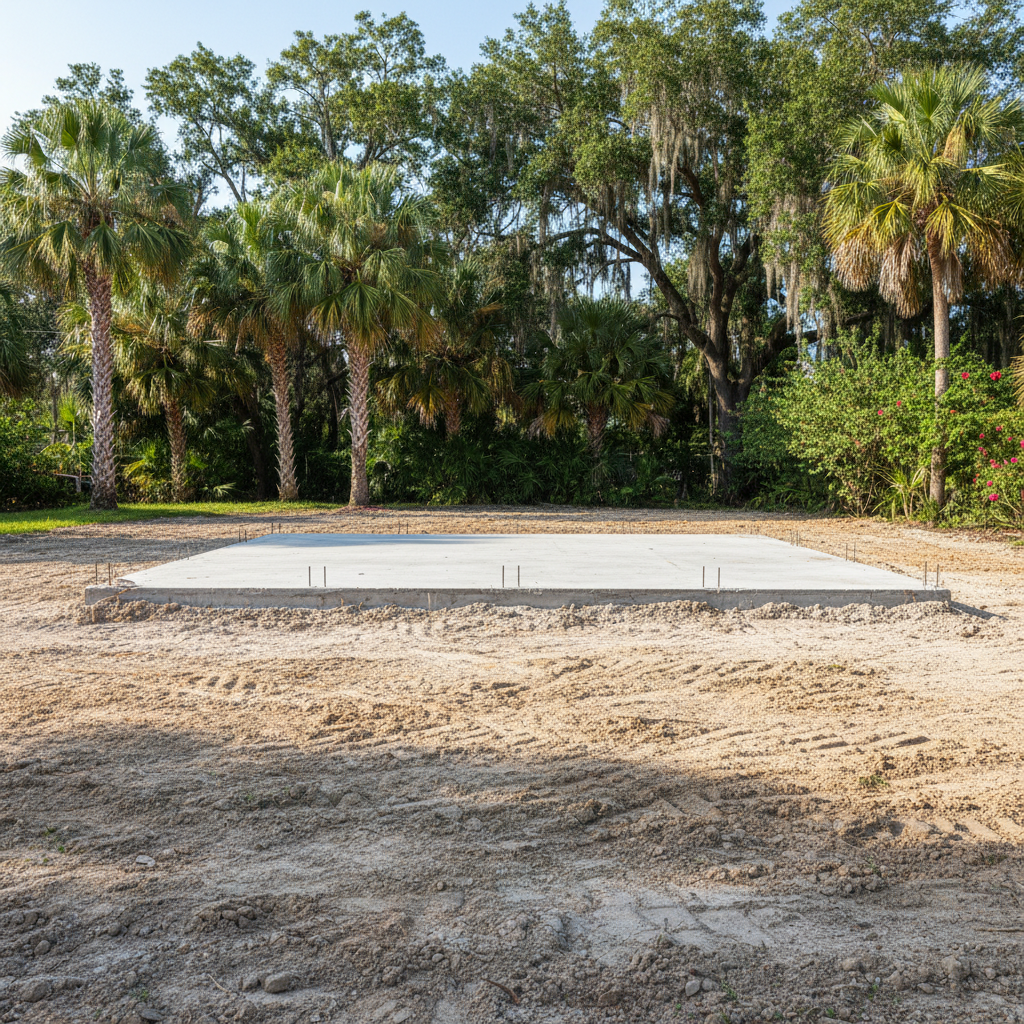
So, you're looking at a structural demolition project here in Port Richey. Maybe it's an old shed, a hurricane-damaged addition, or even a whole house. Whatever it is, you've got a big job ahead, and it's easy to make mistakes that cost you time, money, and a lot of frustration. I've seen it all in my years doing this, and I want to share some of the biggest blunders I see folks make.
Mistake #1: Skipping the Proper Permits
This is probably the most common and most expensive mistake. You can't just knock something down because you own the land. Pasco County has strict rules, and Port Richey enforces them. People think, "Oh, it's just a small garage, who's going to know?" Trust me, someone will know. Your neighbors, a building inspector driving by, or even just the debris hauler. If you start structural demolition without the right permits, you're looking at stop-work orders, hefty fines, and having to backtrack, which delays everything.
Permits aren't just red tape; they're there for safety. They ensure the work is done correctly and doesn't endanger anyone or damage surrounding properties. Always, always, always start with a trip to the building department or have your contractor handle it. A reputable contractor, like us at All Star Demolition, will always make sure the permits are in order before swinging a hammer.
Mistake #2: Not Understanding What's Underneath
Here in Port Richey, especially in some of the older neighborhoods or areas close to the water, you never quite know what you're going to find. We've got a lot of sandy soil, but that doesn't mean it's always simple. Sometimes you'll find old septic tanks that weren't properly decommissioned, buried debris from previous structures, or even old wellheads. If you don't account for these possibilities during planning, you're going to hit unexpected costs and delays.
A good demolition plan includes site investigation. This might mean reviewing old property records, talking to long-time neighbors, or even doing some preliminary digging. Don't assume a clear lot is truly clear. It's better to discover these things upfront than to have a backhoe break through an old concrete septic tank you didn't know was there.
Mistake #3: Hiring the Cheapest Bid Without Due Diligence
Everyone wants to save money, I get it. But structural demolition isn't the place to cut corners by hiring the lowest bidder without checking them out. I've seen homeowners get burned by unlicensed contractors who disappear halfway through the job, don't have proper insurance, or leave a huge mess behind that you then have to pay someone else to clean up.
Here's what to look for:
- Proper Licensing and Insurance: This is non-negotiable. Ask for proof. General liability and workers' comp are crucial. If someone gets hurt on your property and your contractor isn't insured, guess who's on the hook? You are.
- References: Talk to their past clients. Did they finish on time? Was the site clean? Were there hidden costs?
- Detailed Contract: Make sure everything is spelled out. What's included? What's not? Debris removal? Site grading? Permits?
- Experience: Demolition isn't just smashing things. It requires careful planning, safety protocols, and knowing how to handle different materials, especially if there's asbestos or lead paint involved.
A legitimate contractor might not be the cheapest, but they'll save you headaches and money in the long run by doing the job right and safely.
Mistake #4: Underestimating Debris Removal and Disposal
You'd be surprised how much material comes out of even a small structural demolition. And it's not just a matter of tossing it in a dumpster. There are specific regulations for disposing of different types of waste, especially hazardous materials. Many people focus on the demolition itself and forget about the massive amount of debris that needs to be hauled away and properly disposed of.
Make sure your contractor includes debris removal and disposal in their bid. Ask where they take the waste. Are they recycling what they can? Are they disposing of hazardous materials legally? You don't want to be left with a mountain of rubble and no way to get rid of it, or worse, find out it's been dumped illegally and you're liable.
Mistake #5: Not Considering the Neighbors
Demolition is loud, dusty, and disruptive. If you're tearing down a structure in a residential area, your neighbors are going to notice. Failing to communicate with them can lead to complaints, strained relationships, and even delays if they start calling the county about noise or dust.
A little heads-up goes a long way. Let them know when work will start, how long it's expected to take, and what steps your contractor is taking to minimize disruption (like dust control or scheduled work hours). Being a good neighbor during a messy project can prevent a lot of unnecessary stress.
Look, structural demolition is a big undertaking. It's not something you want to rush into or take lightly. By avoiding these common mistakes, you'll set yourself up for a much smoother project and a lot less regret down the road.