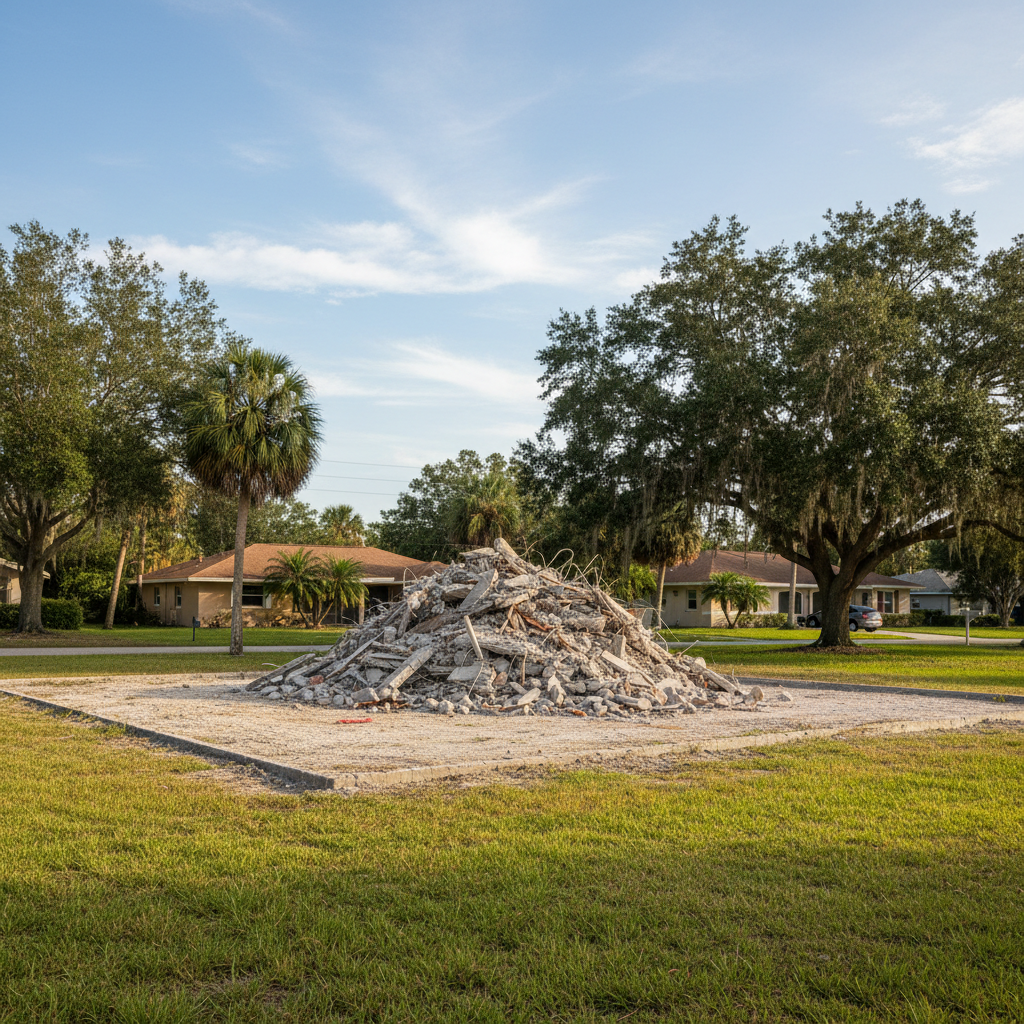
Alright, so you've got an old building on your property here in Port Richey, and you're thinking it's time for it to go. Maybe you're clearing space for a new build, or perhaps it's just an eyesore that’s really seen better days. Whatever the reason, a full building demolition isn't something you just jump into. It takes planning, and knowing what to expect can save you a ton of headaches – and a good chunk of cash, too.
The Demolition Timeline: What to Expect
Let's talk about how long this whole thing usually takes. People often underestimate the lead time, and that's exactly where projects can get off track. You're not just calling a guy with a bulldozer to show up tomorrow, believe me.
- Initial Consultation & Quote (1-2 weeks): First, you'll reach out to a few demolition contractors. We'll come out, take a look at the structure, check out the site, and give you a detailed quote. This isn't just about the building itself; we're looking at access, utilities, potential hazards, and what kind of debris we'll be dealing with, you know?
- Permitting (4-8 weeks, sometimes more): This is usually the longest part of the process. You can't just knock down a building without a permit from Pasco County. We're talking about making sure all utilities are disconnected and capped (water, sewer, electric, gas), environmental assessments if needed, and getting the green light from the building department. Sometimes, especially with older homes or commercial structures, there might be asbestos or lead paint to deal with. That adds another layer of permitting and specialized removal *before* the demo even starts. We handle a lot of this paperwork for you, but the county's timeline is, well, the county's timeline.
- Utility Disconnection (concurrent with permitting): While those permits are processing, you'll need to get those utilities officially disconnected and capped by the respective companies. This is critical for safety and compliance. Seriously, don't skip this step – it's a huge hazard if you do.
- Actual Demolition (3 days to 2 weeks): Once all the prep work is done and permits are in hand, the actual demolition phase is usually the quickest. A small residential structure might be down in a few days. A larger commercial building, or one with complex materials, could take a week or two. This includes the tear-down, sorting of materials (for recycling, if possible), and loading out the debris.
- Site Restoration (1-3 days): After the structure is gone, we'll clear the site, grade it, and make sure it's clean and ready for whatever your next steps are.
So, from your first call to a clean, empty lot, you're realistically looking at anywhere from 2 to 4 months. Sometimes it's even longer if there are environmental issues or permitting delays. Don't plan your new construction groundbreaking for next month if you haven't even started the demo process yet.
What to Expect During the Demolition Process
When the heavy equipment rolls in, things are going to get loud, dusty, and busy. Here's a rundown:
- Safety First: Before anything happens, the crew will secure the site. Fencing, warning signs – it's all about keeping people out and safe. We take this seriously at All Star Demolition.
- Utility Verification: Even after official disconnections, the crew will do a final check to ensure all lines are dead before any heavy machinery touches the building.
- Soft Demolition (sometimes): If there's hazardous material like asbestos, or valuable salvageable items, we'll often do a 'soft demo' first. This means removing those specific items by hand before the big machines come in.
- The Big Show: This is what most people picture. Excavators, loaders, and other heavy equipment systematically taking the building down. We're not just smashing things randomly; there's a method to it to control debris and ensure safety.
- Debris Sorting & Removal: As the building comes down, materials are often separated. Concrete and asphalt might go to a recycler, metals get salvaged, and other waste goes to the landfill. This isn't just good for the environment; it can sometimes reduce disposal costs.
- Noise & Dust: You're going to have both. We do our best to mitigate dust with water sprays, but it's an unavoidable part of the process. Your neighbors will definitely know you're doing work.
How to Prepare Your Property
Before the crew even thinks about showing up, you've got some homework:
- Clear the Building: Get everything out of the structure that you want to keep. Seriously, anything left behind will be demolished and hauled away. Don't assume we'll know what's trash and what's treasure.
- Clear the Surrounding Area: Move vehicles, lawn ornaments, outdoor furniture, and anything else you value away from the demolition zone. Give us plenty of space to work.
- Inform Your Neighbors: Be a good neighbor. Let them know what's coming, the general timeline, and apologize in advance for the noise and dust. A little heads-up goes a long way, especially for folks living in those older, tightly packed neighborhoods around US-19.
- Secure Pets: Keep pets indoors or away from the property during active demolition. The noise and activity can be stressful for them, and an open site isn't safe.
- Final Utility Checks: Double-check with your utility companies that everything is officially disconnected and capped at the property line.
Questions to Ask Before Signing a Contract
Don't just go with the cheapest bid. You need a contractor you can trust. Here are some questions I'd ask if I were in your shoes:
- Are you licensed and insured for demolition in Florida? This is non-negotiable. Ask for proof of both.
- Who handles the permitting process? A good contractor will manage this for you, but you should understand your role in signing applications.
- What's included in the quote? Is it just the demolition, or does it cover utility disconnections, permit fees, debris hauling, and site grading? Make sure there are no hidden fees.
- How do you handle hazardous materials like asbestos or lead paint? If they find it, what's the procedure, and what are the potential additional costs?
- What's your plan for dust and noise control? They should have a strategy.
- What's your estimated timeline from start to finish? Get a realistic expectation.
- Can you provide references from previous demolition jobs? Talk to other homeowners they've worked for.
- What happens if you hit something unexpected, like an old septic tank or unknown utility line? How are those situations handled, and who bears the cost?
- What's your safety plan for the site? How will they secure the area to prevent unauthorized access?
Asking these questions upfront will give you a clear picture of what you're getting into and help you choose the right contractor for your project. A full demolition is a big undertaking, but with the right planning and the right team, it can go smoothly and get you ready for your next big project here in Port Richey.