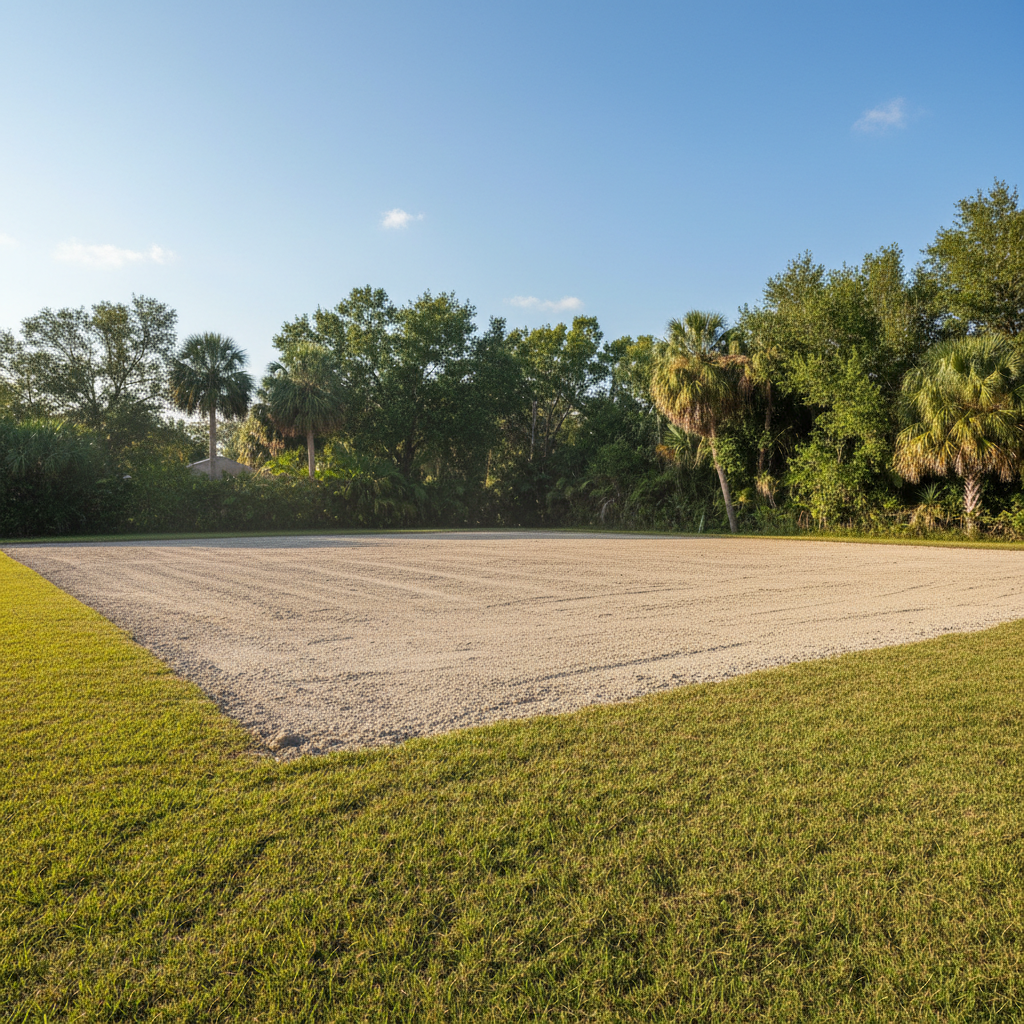
Think demolition is just about knocking stuff down and hauling it away? A lot of people stop there. But if you own a commercial property in Port Richey where a building used to stand, the job isn't really finished when the last truck pulls away. What you do next, and how you take care of that site, makes a huge difference. It protects your investment, for one, and helps you avoid future headaches. You've cleared the land, right? Now you've got to keep it clear and safe.
Extending the Life of Your Demolition Site
When we talk about extending a demolition site's 'life,' we're really talking about keeping the land stable, useful, and ready for whatever comes next. The biggest thing you can do right after the demo is proper site grading and drainage. Here in Florida, especially during our rainy season, water is your number one enemy if you don't manage it correctly. You absolutely do not want standing water or erosion washing away all your hard work.
We always make sure the site is graded so water flows away from any nearby structures or property lines. Sometimes that means we create slight slopes or swales. Compaction is another really important step. You need to be sure the soil is properly compacted after we've backfilled any excavations. Loose soil settles unevenly, which can cause problems down the road if you're planning to build or even just pave it for parking. We're talking about foundations cracking or pavement sinking. Nobody wants to deal with that a year or two after we've left, do they?
What Regular Maintenance Looks Like
Regular maintenance for a cleared commercial demolition site isn't rocket science, honestly, but it does need attention. Mostly, it's about keeping an eye on things and fixing small issues before they blow up into big ones.
- Erosion Control: Check for signs of soil erosion, especially after a big rain. Look for ruts, exposed roots, or spots where soil has washed away. If you see it, you've got to deal with it. Sometimes, just a simple re-grading or adding some ground cover can fix it right up.
- Drainage Checks: Make sure any swales, culverts, or drainage paths are clear of debris. Leaves, trash, and even overgrown weeds can block water flow, which leads to pooling.
- Vegetation Management: If you're not building right away, you'll get weeds. That's just how it is in our climate. Keep them under control. Tall weeds can hide potential hazards, attract pests, and frankly, just make the site look neglected.
- Security Fencing: If you've got a fence up, check it regularly. Make sure it's secure, hasn't been damaged, and is doing its job of keeping unauthorized people out.
- Debris Patrol: Even after we've done our final cleanup, sometimes wind blows trash onto the site, or people illegally dump stuff. A quick walk-through can catch this early.
These aren't daily tasks, but a monthly or bi-monthly check-up, especially during the summer, can save you a lot of grief.
Warning Signs of Problems
You've got to stay vigilant. Here are some things that should definitely raise a red flag:
- Significant Pooling Water: If water is sitting on your site for more than a day or two after a rain, you've got a drainage issue that needs fixing. This is a big deal in Port Richey, where we get afternoon downpours that can last for hours.
- Uneven Settling: Look for depressions or dips in the ground where the soil seems to be sinking. This usually points to poor compaction or a problem underneath the surface.
- Cracks in Adjacent Structures: If the demolition happened near an existing building, keep an eye on that building's foundation or walls for new cracks. While we take every precaution, ground movement can still happen sometimes.
- Exposed Utilities: Even if utilities were properly capped or removed, sometimes things shift. If you see any pipes, wires, or conduits poking out of the ground that shouldn't be there, don't touch them. Call a professional immediately.
- Unusual Odors: This is rare, sure, but if you smell anything strange, like natural gas or sewage, get everyone off the site and call the utility company right away.
When to Call a Professional
Look, I'm not saying you need to call All Star Demolition every time you see a weed. But there are definitely times when you need to bring in the experts. If you notice any of those significant warning signs I just mentioned – major pooling, uneven settling, or exposed utilities – that's when you pick up the phone. Don't try to fix a big drainage problem or re-compact a large area yourself. You could make it worse, or even worse, create a safety hazard.
Also, if you're planning any new construction or significant landscaping on the site, it's smart to have a professional come out and re-evaluate the soil conditions. We can do soil testing to make sure the ground is stable enough for your next project. Sometimes, especially in areas like Port Richey with its sandy, sometimes mucky, soil conditions, you might find unexpected issues that need professional remediation before you can build safely. It's always better to catch these things early rather than dealing with expensive repairs down the road, wouldn't you agree?
Taking care of your demolition site isn't just about how it looks; it's about safety, following the rules, and protecting your financial investment. A little attention now can save you a lot of money and headaches later.